
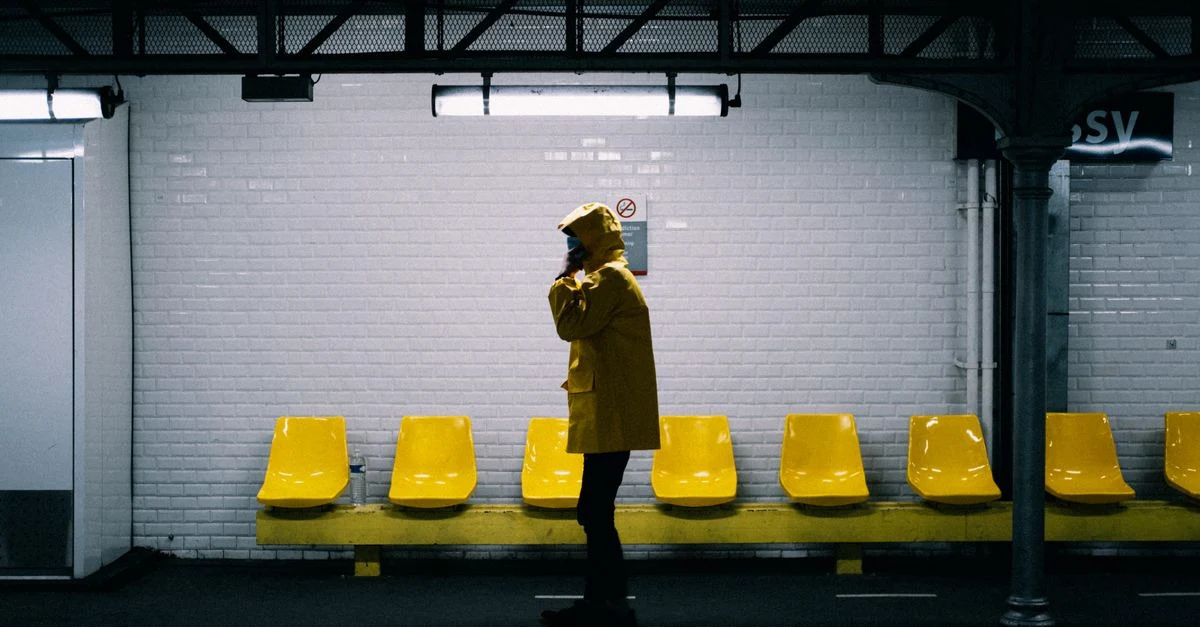
Have you ever stared at a screen, a door, or a phone and felt your whole body tighten while you waited for one result? That pause can feel far bigger than the event itself, even if the answer arrives in seconds.
Waiting hits hard because the mind does not like unfinished situations. It starts scanning for clues, predicting outcomes, and filling gaps with possibilities, which makes a short stretch of time feel loaded and heavy.
The intensity is not a personal flaw. It is a normal response to uncertainty, especially when the result seems tied to safety, identity, plans, or how life might look next.
Why The Pause Feels Longer Than It Is
The strange part is that waiting often distorts time.
Your Brain Tracks Uncertainty More Than Time
During a calm moment, the brain can let time pass in the background. During a tense wait, attention narrows and keeps checking for change, so each minute gets noticed instead of ignored. That extra monitoring makes the pause feel stretched out.
Unfinished Events Hold Mental Space
An open question keeps pulling attention back because the brain treats incomplete situations as unresolved business. That is why you can try to focus on something else and still feel the result sitting in the back of your mind.
Prediction Creates Emotional Whiplash
People rarely imagine just one outcome while they wait. The mind jumps between hope and fear, and each shift creates a fresh emotional reaction. That constant switching can feel exhausting even before the answer arrives.
Why Results Feel Personal
The pause gets stronger when the result seems to say something about you.
Outcomes Often Get Tied To Identity
A test score, reply, decision, or verdict can start to feel like a statement about competence, worth, or belonging. Once that link forms, waiting is no longer about information alone. It becomes about self-protection.
The Mind Hates Social Ambiguity
Waiting becomes especially intense when another person controls the answer. Human beings are highly sensitive to acceptance, rejection, approval, and exclusion, so uncertain social results can trigger a strong emotional response.
That helps explain why people can scroll through odd distractions during a tense wait, from weather updates to random phrases like slot gacor gampang menang, not because those things matter, but because the mind is trying to break the pressure for a moment.
High Stakes Change Body Sensations
Once a result feels personal, the body often joins in. A faster heartbeat, shallow breathing, restlessness, and tight muscles can all show up, which makes the waiting feel even more serious than it might be objectively.
What Your Body Is Doing In The Wait
The physical side of waiting often explains why the pause feels so intense.
Uncertainty Triggers Alert Mode
When the future matters and the answer is unknown, the nervous system can shift into a state of readiness. That state helps you react quickly, but it also makes it hard to relax, sit still, or think broadly.
Alert Mode Narrows Attention
In that state, the brain prioritizes signs of threat or relief. You check messages more often, replay details, and search for hidden meaning in small cues. This is not irrational behavior so much as a system trying hard to regain certainty.
The Body Can Keep The Stress Going
Physical arousal and anxious thoughts feed each other. A tense chest can make a result seem more dangerous, and scary thoughts can tighten the body more. That loop is one reason waiting can snowball fast.
Why Silence Feels So Loud
Silence during a wait often creates its own kind of pressure.
No New Information Invites Assumptions
When nothing happens, the brain does not stay neutral for long. It starts creating explanations, and those explanations often lean negative because negative possibilities feel safer to prepare for than positive surprises.
The Lack Of Control Magnifies Emotion
You can study, prepare, send the message, or show up on time, but after that, the result may sit outside your control. That gap between effort and outcome can make people feel exposed, which adds weight to the pause.
Waiting Removes The Relief Of Action
Action gives the mind a sense of movement. Waiting removes that movement, so all the energy that might have gone into doing something now has nowhere obvious to go. That trapped energy often shows up as agitation.
Why Some Waits Hit Harder Than Others
Not every pause feels the same because the meaning behind it changes everything.
Importance Changes Intensity
A minor update rarely creates the same reaction as a result that could affect health, relationships, money, or future plans. The more an answer seems able to change your path, the heavier the pause usually feels.
Past Experience Shapes Present Reactions
If previous waits ended badly or unpredictably, the body may treat a new wait as familiar danger. That reaction can happen even if the current situation is different, because the nervous system learns from patterns, not just facts.
Ambiguous Timelines Increase Stress
Waiting is often easier when you know exactly when the answer will arrive. Unclear timing keeps the brain on standby, which drains attention and patience across the day.
That is why people sometimes bounce between productive tasks and odd internet searches, including unrelated terms such as slot gacor gampang menang, as a way to fill the empty space created by an unclear timeline.
What Actually Helps During The Pause
Small shifts can make waiting feel less consuming without pretending it is easy.
Name The Real Stakes
It helps to say clearly what the result affects and what it does not. A single answer may matter a lot, but it rarely defines your whole future or your full value as a person. Clear limits reduce the tendency to turn one result into everything.
Give The Body A Task
Slow breathing, walking, stretching, or any simple physical routine can lower the body’s alert level. That works because the body is part of the waiting experience, not just the container for it.
Use Time Boundaries
Checking for updates nonstop keeps the brain locked onto uncertainty. Setting specific times to look for news gives attention a structure and can soften the sense of constant suspense.
Choose Concrete Action Over Mental Rehearsal
If there is something useful to do next, do that one thing instead of replaying possible outcomes. Even small action restores a sense of agency, which often reduces the sharpest edge of the wait.
Why The Pause Can Feel Bigger Than The Result
Sometimes the wait carries more strain than the answer itself.
Anticipation Expands Possibility
Before the result arrives, every outcome is still alive in the mind. That wide field of possibility can be more emotionally intense than the single reality that finally appears.
Answers End The Mental Loop
Even disappointing news can bring a strange sense of relief because uncertainty stops. Once the unknown becomes known, the brain can shift from prediction to response, and that change often lowers tension quickly.
The Pause Feels Intense Because You Care
Waiting hurts most in places that matter. That discomfort is not proof that something is wrong with you. It is a sign that your mind and body are trying to prepare for a future that still has no shape, and that kind of pause will almost always feel bigger from the inside than it looks from the outside.