
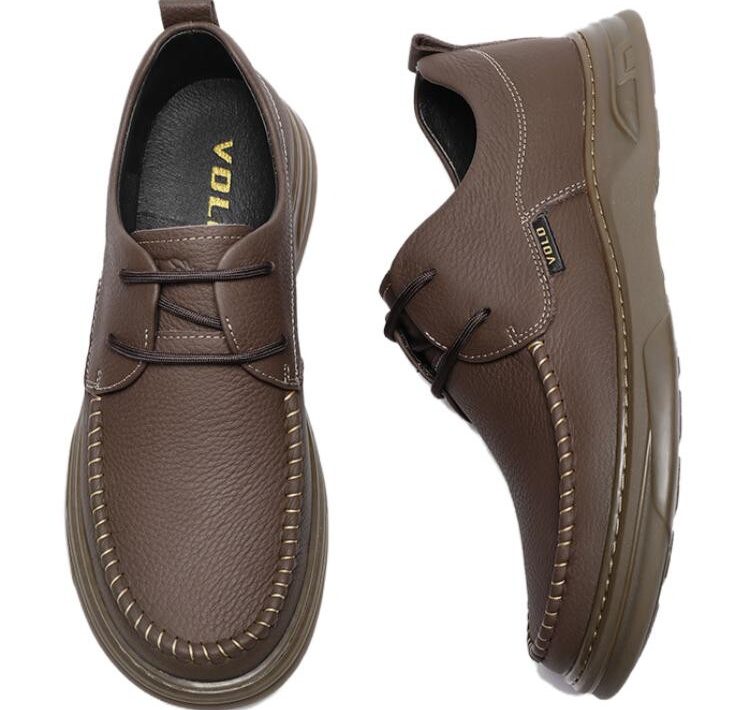
Hybrid footwear is very popular now. People want one shoe for many moments. They want comfort for walking. They want strength for movement. They also want style for daily wear. Constructing such a shoe is not a cake walk.
Hybrid shoes mix casual and performance needs. Casual shoes focus on look and comfort. Performance shoes focus on strength and support. When both meet, every small part matters more. Thread is one of those parts.
Thread holds the shoe together. It connects fabric, leather, mesh, and lining. In hybrid footwear, these materials are often mixed. Different materials move in different ways. Thread must handle all of them together.
Casual shoes need soft feel. People wear them for long hours. Seams should not feel rough. Thread must stay smooth and gentle. If seams rub the foot, comfort is lost.
Performance shoes need strength. They face bending, pulling, and fast movement. Threads must not break under stress. If seams fail during activity, the shoe becomes unsafe.
Hybrid footwear needs thread that does both. It must feel soft but act strong. This balance is not simple. Choosing wrong thread ruins the whole shoe idea.
Flexibility is very important here. Hybrid shoes bend a lot. People walk, climb, run and do several other activities. Threads must bend with the shoe. If thread is stiff, the shoe feels tight.
Stretch control matters too. A little stretch is good. Too much stretch makes seams loose. Loose seams look bad and feel unstable. Thread must stretch just enough.
Thread thickness plays a role. Thick thread gives strength. But thick seams can look heavy. Hybrid shoes usually want clean design. Thin but strong thread works better here.
Casual design likes neat stitching. Straight lines and smooth curves are preferred. Thread must give clean stitch look. Uneven stitches break the visual flow.
Performance design needs reliable seams. Stitches must hold under load. Thread should not slip or break. This keeps the shoe safe during movement.
Moisture handling is also key. Hybrid shoes are subjected to sweat, rain, and humidity as they are worn both indoors & outdoors. Thread should not weaken when wet.
Some threads absorb water and swell. This changes seam tension. Over time, this affects comfort. Stable threads keep seams feeling same in dry and wet use.
Heat also affects hybrid footwear. Walking on roads, gyms, and travel creates warmth. Thread must stay stable with heat. If thread shrinks or hardens, seams change shape.
Abrasion resistance matters a lot. Hybrid shoes face many surfaces. Pavements, floors, and rough areas all touch the shoe. Thread rubs against these surfaces too. It must resist wear.
Thread finish helps with movement. Smooth finish (polyester embroidery thread) allows easy bending. It also reduces friction inside the shoe. Less friction means more comfort.
Color choice in hybrid shoes is often subtle. Stitching may match the shoe or softly contrast. Thread color should stay same over time. Faded stitches make shoes look old early.
Washing is common for hybrid footwear. People clean them often. Detergents and water attack weak threads. Good thread stays strong and keeps color after washing.
Production speed also matters. Hybrid footwear is made in large numbers. Threads must run smooth on machines. Breaks slow down work and increase cost.
Consistent thread quality helps factories. Even thickness and smooth surface reduce machine issues. This improves final shoe quality.
Hybrid shoes use many stitch types. Some areas need dense stitching. Some need flexible patterns. Thread must perform well in all stitch styles.
Testing helps choose right thread. Flex tests show how seams behave. Wear tests show long term comfort. Only tested thread should be used.
Sustainability is now important. Hybrid shoes aim to reduce waste. Long-lasting thread (polyester sewing thread) increases shoe life. Longer life means fewer replacements.
Customers expect more from hybrid footwear. They want style without sacrifice. They want comfort without weakness. Thread supports this promise quietly.
Many people never think about thread. But they feel its effect daily. Good thread makes shoes feel easy and strong at same time.
In hybrid footwear, thread is a bridge. It connects casual comfort with performance strength. When thread choice is right, the shoe feels balanced.
Thread solutions for hybrid footwear are not about one feature. They are about harmony. Soft feel, strong hold, clean look, and long life. All working together.
This balance makes hybrid footwear successful. And thread plays a big role in making that balance real, step after step.