
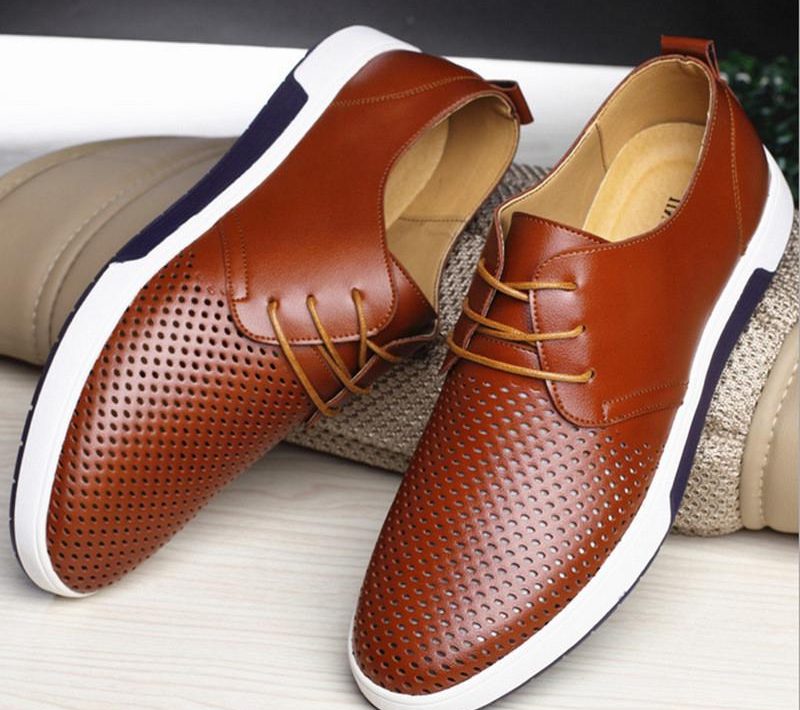
Performance and safety shoes work very hard. They protect feet in tough places. People wear them at factories, work sites, and roads. Therefore, these shoes should stay strong every single day. One small weak part can cause big trouble. Sewing machine thread is one such part.
Most people look at soles and leather. Very few think about the thread. But thread holds the whole shoe together. If the thread fails, the shoe fails too. This is why bonded threads like bonded nylon thread are so important.
A bonded thread is a specialised thread with a coating. This coating keeps the thread tight and smooth. It stops the small fibers from opening up. Because of this, bonded thread lasts longer.
Safety footwear faces high stress. Heavyweight presses down. Sharp movement happens often. Shoes bend, twist, and pull all day. A normal thread can break under this pressure. Bonded thread stays strong.
In work shoes, seams take a lot of load. Toe region, heel areas, and side panels are under stress. Seams stay intact due to bonded threads. It does not slip or loosen easily. This keeps the shoe shape safe.
Abrasion is common in safety shoes. Shoes rub against floors, metal, and tools. Thread rubs too. Unbonded thread can fray. Frayed thread loses strength. Bonded thread resists this rubbing better.
Bonded threads also handle vibration well. Workers walk on machines, ladders, and uneven ground. This creates constant vibration. Over time, vibration weakens seams. Bonded thread absorbs this stress better.
Oil and chemicals are often present in work areas. Safety shoes touch grease, fuel, and cleaning liquids. These chemicals damage weak threads. Bonded thread has better resistance. It does not break down fast.
Heat is another challenge. Industrial floors can get hot. Welding and machinery create heat. Bonded threads stay stable under heat. They do not melt or shrink easily.
Moisture is always there. Sweat, rain, and spills reach shoes daily. Some threads absorb water and swell. This changes stitch tension. Bonded thread stays more stable when wet.
Performance footwear also needs bonded thread. Sports shoes face fast movement. Running, jumping, and stopping create sharp forces. Seams must react quickly. Bonded thread supports fast motion without breaking.
Flexibility is still important. Some think bonded thread is stiff. This is not true. Good bonded thread balances strength and flexibility. It bends with the shoe and returns back.
Stitching machines also like bonded thread. It runs smoother through needles. Less friction means fewer breaks. This improves production quality. Clean stitches improve shoe life.
In safety shoes, standards must be met. Shoes are tested for durability and protection. Seams are part of these tests. Bonded threads help pass seam strength tests easily.
Loose seams are dangerous. If a seam opens, foot support reduces. This can cause slips or injuries. Strong bonded thread helps prevent such risks.
Bonded threads also keep stitching neat. Neat seams reduce snagging. Snagging on sharp edges can pull thread out. Smooth bonded thread avoids this problem.
Long life is key for safety footwear. Workers use shoes daily. Replacing shoes often costs money. Bonded thread increases shoe life. Longer life means better value.
Color stability also matters. Safety shoes often use visible stitching. Faded or damaged seams look poor. Bonded thread holds color better under harsh use.
Comfort is linked to seam quality. Broken seams create pressure points. These hurt feet over time. Stable bonded seams keep inside smooth.
In heavy duty shoes, every part must work together. Soles, uppers, and seams form one system. Bonded thread connects this system strongly.
Testing shows clear difference. Shoes with bonded thread last longer in stress tests. Seams stay intact after repeated bending and pulling.
Brands that use bonded threads gain trust. Workers depend on their shoes. Strong seams build confidence. Confidence builds loyalty.
In the end, bonded thread is not an extra feature. It is a safety requirement. It protects the shoe, and the person wearing it.
Performance and safety footwear cannot afford weak seams. Bonded threads provide strength, stability, and reliability. They quietly support every step. This is why bonded threads are critical, every single day.